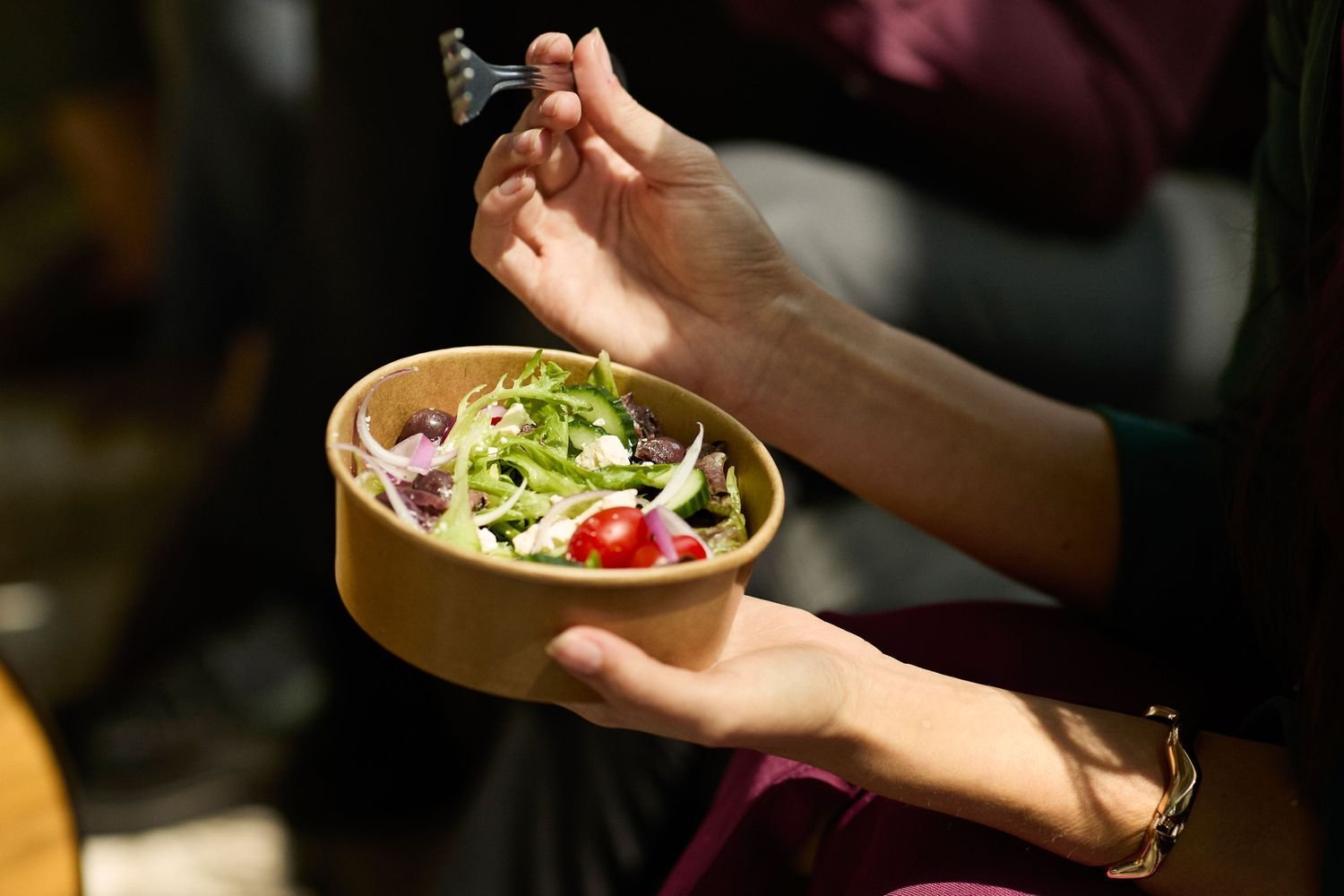
- Office lunches are now a serious budget hit, averaging $23.60 per meal in major cities — than an hour of minimum-wage pay, according to a January 2026 BLogic Systems study.
- Buying lunch at work can cost daily diners about $5,664 a year, while hybrid workers often spend per office day due to coffee runs and social lunches.
- Packing lunch remains the cheapest option at about $5.50 per meal, saving workers than $4,300 annually, underscoring why free lunches could be a powerful incentive to get employees to come in.
In August 2025, in-office attendance reached a five-year highaccording to survey data from real estate firm CBRE. However, not everyone is happy about it. In fact, a 2024 American Staffing Association study found that 32% of American workers prefer a fully remote work week, while 39% said a hybrid schedule is ideal. That could be for a number of reasons, such as the quiet time at home, the lack of a commute, or, as one new study by BLogic Systems found, the astronomical cost of the average office lunch.
In January 2026, the software company released findings from its report on the costs of eating lunch at the office. It found that the average office lunch now costs $23.60 in major urban areas, well above the typical minimum hourly wage.
a و the و of – تفاصيل مهمة
“For a lot of workers, being back in the office feels like taking a pay cut. Lunch, commuting, and even the small ‘sweet treats’ people buy to get through the day have turned into real financial pressure points,” a spokesperson for BLogic Systems shared in a statement via email. “These everyday costs now shape how motivated employees feel at work.”
To determine the cost of lunch, the study used BLogic System’s Lunch Cost Modelwhich compares the actual cost of a meal purchased during a day at the office, a meal packed at home, along with weekly spending patterns, and annual totals associated with them all. Using this model, the company found that if you’re a “daily diner,” someone buying lunch every day at the office, you could spend about $5,664 a year. BLogic calculated this cost using popular options like grain bowls, salads, and protein plates, which range from $18 to $23 per day.
This daily cost than doubles for hybrid workers, with coffee and lunch totaling about $55 per office day. That means if you work in-office three days a week, you could face a yearly bill of $3,398.40. BLogic noted that this cost factors in indulgent meals plus a coffee break: “Because hybrid workers are on-site less often, office days usually become social lunch days, which increases spending on Tuesdays through Thursdays.”
Fast food is cheaper, but not as much cheaper as you might expect, with an average cost of $11.56 per meal and an annual cost of $2,774.40 if you eat at places like McDonald’s consistently.
a و cost و the – تفاصيل مهمة
As for the best way to save, it should come as no surprise that the study found that packing lunch is key. “A home-packed meal averages $5.50, keeping weekly spending low and annual costs minimal,” the study stated. “Compared to a daily diner, packing lunch saves workers over $4,300 a year, making it the only option that consistently beats inflation.” Still, packing a lunch is getting expensive with rising grocery prices, too, as parents sending their kids to school have found.
Any employers in the audience wondering how to keep employees happy at the office? One potential solution seems simple: Offer free lunch. As the spokesperson for BLogic put it, “58% of employees say that free lunch would make them willing to come in, yet only five percent actually get it. That mismatch is a huge opportunity for employers to increase attendance by easing the daily expenses employees are struggling with in this economy.”
5 ways to spend less on office lunch without meal-prepping
- Split one restaurant lunch into two meals.Many grain bowls, salads, and protein plates are big enough to stretch into tomorrow’s lunch.
- Make coffee a home-only habit.Skipping a $6 café coffee just a few days a week adds up fast.
- Use grocery store hot bars strategically.They’re often cheaper than fast-casual spots and easier to portion.
- Keep desk snacks on hand.A protein bar or nuts can prevent costly add-ons when hunger hits midafternoon.
- Designate one “treat lunch” per week.Having a planned splurge makes it easier to say no the other days.
p style=”font-size:18px; color:#555;”>
Disclaimer: This news article has been republished exactly as it appeared on its original source, without any modification.
We do not take any responsibility for its content, which remains solely the responsibility of the original publisher.
Disclaimer: This news article has been republished exactly as it appeared on its original source, without any modification.
We do not take any responsibility for its content, which remains solely the responsibility of the original publisher.
Author: uaetodaynews
Published on: 2026-01-20 01:32:00
Source: uaetodaynews.com