What Is Beer Brûlée? The Cozy German Drink For Winter
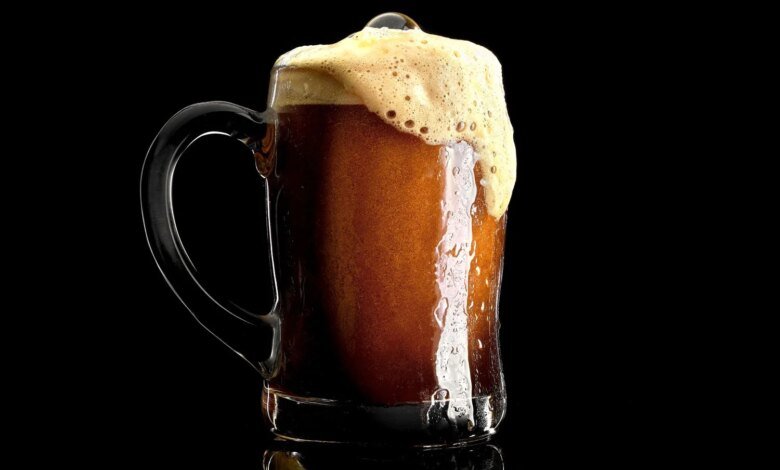
- Brooklyn’s Grimm Artisanal Ales revived the centuries-old German tradition ofBeer spikesor “beer brûlée,” by plunging a red-hot metal spike into dark beer to create frothy, caramelized foam.
- The heat caramelizes the malt sugars in stouts, porters, and barleywines, adding toasty, toffee-like flavors and transforming the texture into something rich and creamy.
- Once a blacksmith’s trick to warm winter brews, this cozy beer ritual is now spreading beyond Brooklyn, with breweries across the U.S. experimenting with the toasty technique.
Imagine a perfect pint of beer, and you’re probably picturing something ice cold with a moderate amount of foam on top. You’re likely not conjuring dreams of a warm drink, and certainly not visualizing a mug of ale that’s just had a searing-hot stick of metal submerged in it. But you might change your tune soon.
Brooklyn-based brewery Grimm Artisanal Ales quickly racked up Instagram views earlier this winter when it shared a short clip of a red-hot (literally) metal spike being submerged in a glass of cold, dark stout. The beer immediately began bubbling around the spike, with a frothy, caramel-colored foam gradually rising to the top of the glass until the metal was removed.
In the end, audiences are left looking at a beer with a towering layer of silky foam, the color of a toasted marshmallow, sitting atop the stout. This satisfying, simple video has since been viewed almost three million times on Instagram, but it was the caption that really caught my attention.
Grimm refers to the beverage as beer brûlée, or, as it’s known in German, Bierstacheln. Brûlée is an apt term for the drink, because, like the top of a crème brûlée, the sugars in the dark beer caramelize when exposed to heat — and the results are just as delicious as they are on the dessert.
After fermentation, beer still contains residual malt sugar. This is what the hot metal caramelizes, adding toasty flavor and toffee notes to the drink. Because malt sugar is needed to encourage the chemical reaction behind Bierstacheln, it’s best to use this technique with beers that have a high malt sugar content, such as stouts, barleywines, and porters.
Per Grimm, the beer spike must be heated to above 1000°F before being plunged into the beverage. This creates the soft, almost creamy foam that rises high above the drink. Because of the heat, the beer will lose a little bit of its carbonation, and the foam on top will be warm — exactly what you need on a cold day.
Although it’s being served in Brooklyn now, Bierstacheln is far from new. The tradition of sticking hot metal into beer dates back several centuries in Germany and is believed to have been invented by blacksmiths who wanted to warm beer that was too cold in the winter. Those blacksmiths may have used an iron poker they already had on hand, but today you can find beer spikes marketed specifically for this purpose.
Don’t worry, you don’t need to buy a beer spike to try this caramelized, cozy beverage yourself. In addition to Grimm, breweries across the country — from chilly
“>▶ عرض المحتوى المضمّن
Disclaimer: This news article has been republished exactly as it appeared on its original source, without any modification.
We do not take any responsibility for its content, which remains solely the responsibility of the original publisher.
Author: uaetodaynews
Published on: 2026-01-17 16:55:00
Source: uaetodaynews.com


