Lizzo Flaunts Her Figure In White Bikini In First Post Of New Year
NEED TO KNOW
- Lizzo posed in a white bikini and Pucci bodysuit in her first Instagram post of 2026 on Jan. 2
- The musician, who has been candid about her ongoing fitness journey, captioned the post with a reference to Alabama Barker’s viral Christmas haul
- The bikini pics come just weeks after Lizzo called out a “dumb” viral joke she saw about her body in a different Instagram post
Lizzo is kicking off 2026 with a classic ‘kini!
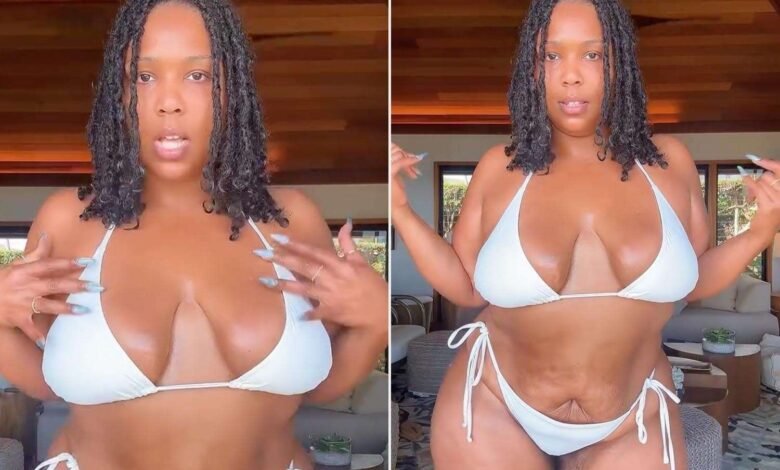
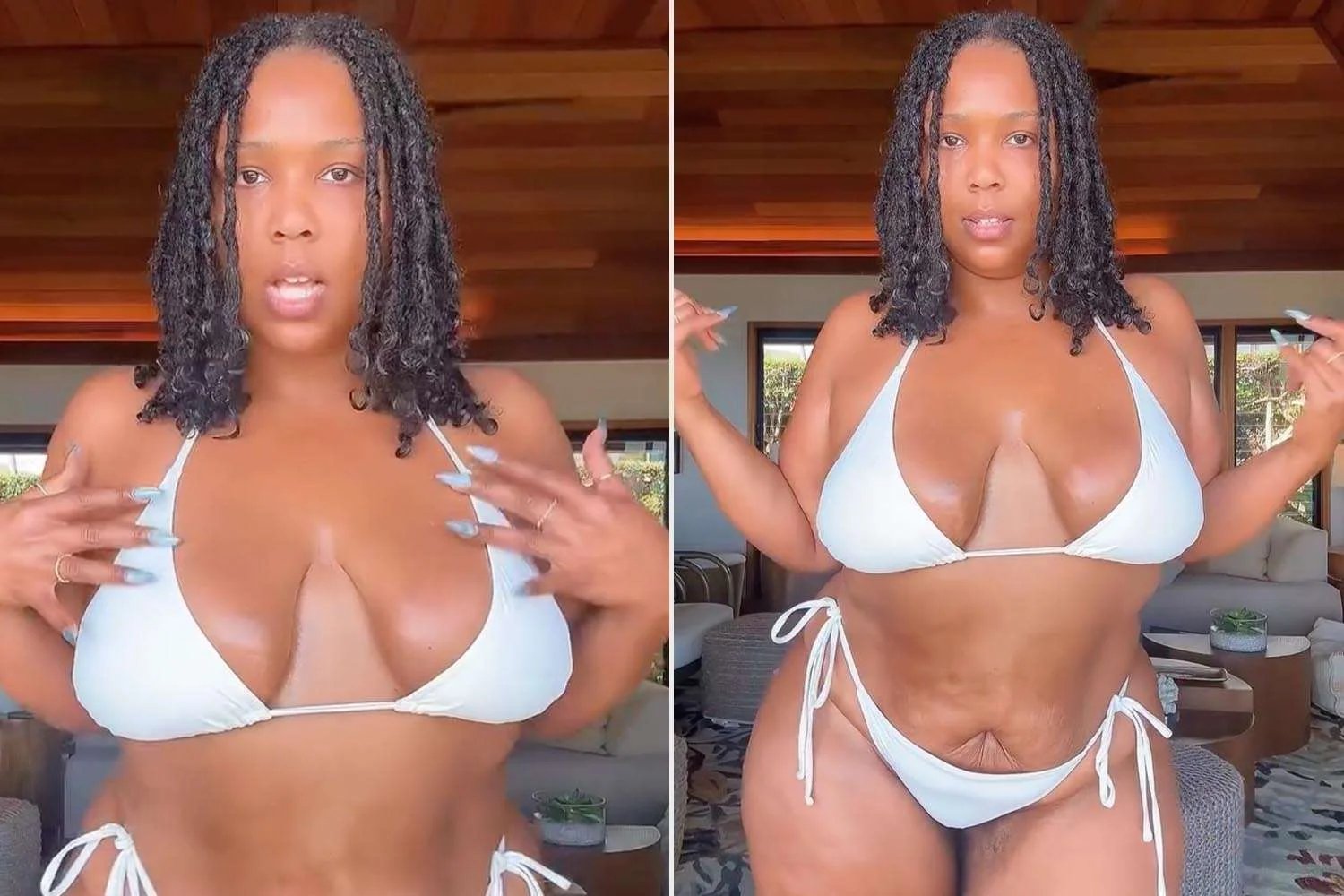
The singer-rapper, 37, flaunted her figure in nothing but a white bikini in her very first
“>▶ عرض المحتوى المضمّن
of the new year on Friday, Jan. 2. She also used the post to make a reference to Alabama Barker’s viral Christmas gift haul.
The “Truth Hurts” musician included two snaps in the post, one in the swimsuit — which appears to be the Swim Triangle Bikini Top and Swim Side Tie Thong Bikini from her shapewear brand, Yitty — and one with a few accessories layered on top.
In the first picture, Lizzo paired the white swimsuit with nothing but her rings and blue manicure. In the second, she completed the look — and added color — with another layer in a colorful, psychedelic-inspired print.
Lizzo wore a boatneck bodysuit from Pucci, which retails for $680 at Saks Fifth Avenuein vibrant shades of blue, purple and green. She complemented the cool-toned shades with a pair of statement earrings and tied her simple swimsuit in with white, vintage-inspired sunglasses.
Lizzo/Instagram
Never miss a story — sign up for PEOPLE’s free daily newsletter to stay up-to-date on the best of what PEOPLE has to offer, from celebrity news to compelling human interest stories.
The musician captioned her post with a reference to Barker’s repeated mention of Pucci in her viral Christmas haul, which has even inspired
“>▶ عرض المحتوى المضمّن
. (Barker, 20, repeatedly referenced the Italian fashion house while envisioning outfits with her newly gifted shoes.)
“YITTY & a Pucci fit… nastyyyyy 😜,” Lizzo wrote alongside the post, which was accompanied by her song “DITTO.”
The star also shared a clip of herself in the bikini and Pucci bodysuit on
“>▶ عرض المحتوى المضمّن
which she soundtracked with a snippet of Barker’s TikTok haul.
“Nasty. With the Pucci outfit? Nasty,” Barker can be heard saying as Lizzo poses in her outfits.
The singer’s feed post generated lots of praise in a star-studded comments section, which Paris Hilton, SZA, Chloe Bailey, Erykah Badu and filled with compliments.
The latest post from the “About Damn Time” singer comes just weeks after the musician made headlines for calling out a “viral” post making a joke about her body on Instagram.
Lizzo/Instagram
In a Dec. 4 post, Lizzo, who has been candid about her ongoing fitness journeyshared a photo of her midsection in a string bikini. In the post’s caption, she called out the “dumb joke,” as well as the amount of attention it received.
“Today I saw a fat joke about me — in 2025 — and it was viral,” Lizzo wrote. “It was a dumb joke and they were just laughing at me because I’m fat…. Let me be a reminder to everyone to NEVER let anyone shame you for what you choose to do with your body.”
“Because when you’re big they talk s—, when you’re small they talk s—. Your body will never be good enough for them because it’s not FOR them. It’s for you,” she continued. “If I get a BBL mind ur business , if lose 100lbs mind ur business, if I gain every pound back and then some… mind ur f—— business.”
She then concluded the post: “Anyways.. my fat a– stays living with a paid off mortgage in yall bitches heads.”
Disclaimer: This news article has been republished exactly as it appeared on its original source, without any modification. We do not take any responsibility for its content, which remains solely the responsibility of the original publisher.
Author: uaetodaynews
Published on: 2026-01-03 23:36:00
Source: uaetodaynews.com


